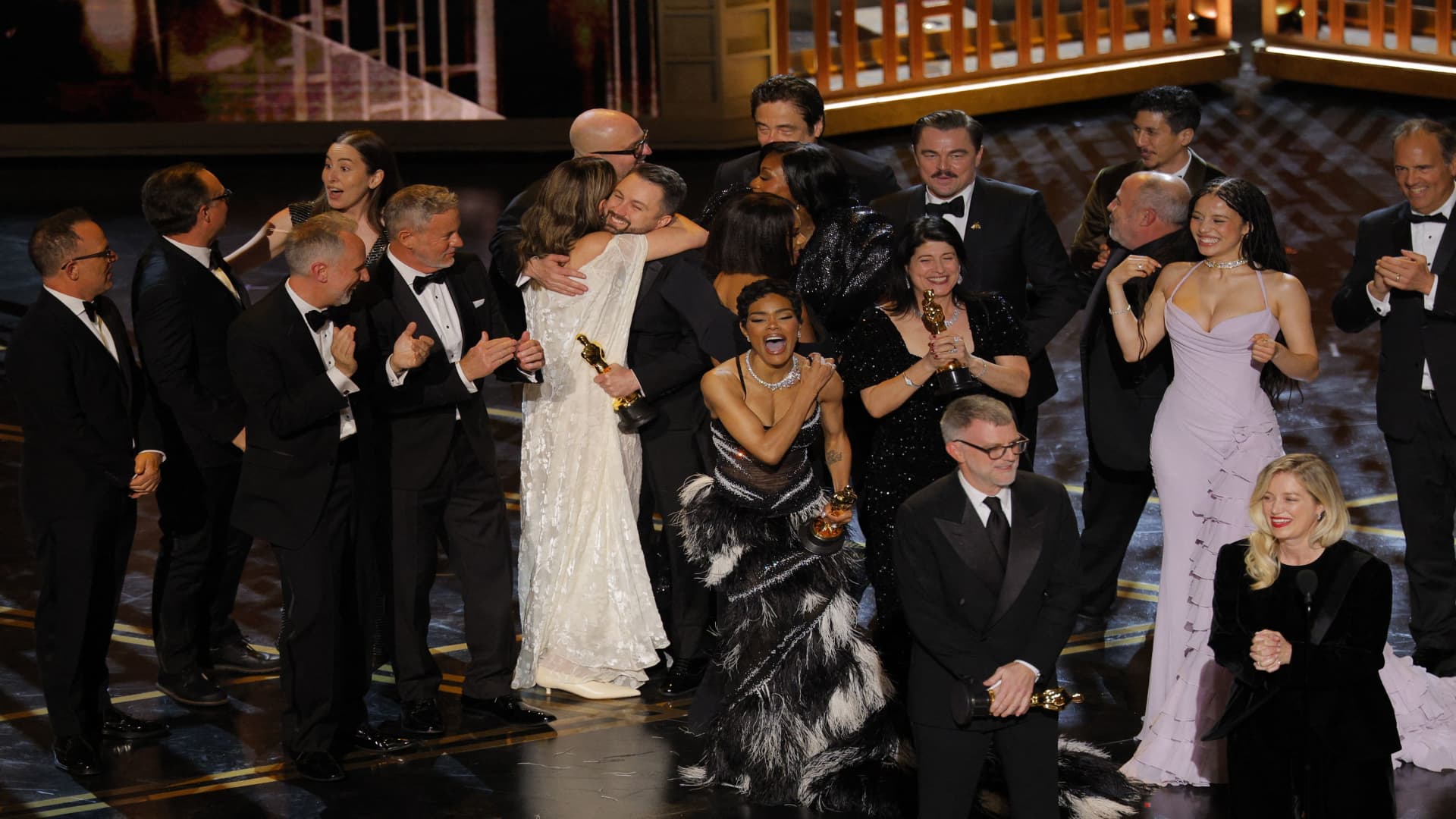
The Unforgettable Triumph: "One Battle After Another" Claims Best Picture at the 98th Oscars
For film enthusiasts and casual moviegoers alike, the annual question of "Who Won Best Picture?" at the Academy Awards invariably ignites discussion and debate. This year, the spotlight shines brightly on "One Battle After Another," the cinematic masterpiece that seized the coveted Best Picture Oscar at the 98th Academy Awards ceremony in 2026. This wasn't just a win; it was a resounding triumph, firmly establishing the film as the standout achievement of the year's cinematic landscape.
The film's journey to the top prize was marked by intense competition, overcoming a formidable roster of nominees. The race for Best Picture often reflects the diverse and compelling storytelling present in a given year, and 2026 was no exception. "One Battle After Another" triumphed over critically acclaimed contenders such as the thought-provoking "Bugonia," the gothic reimagining of "Frankenstein," the historical drama "Hamnet," and the gripping "Sinners." The full list of esteemed nominees included other notable titles like "F1," "Marty Supreme," "The Secret Agent," and "Sentimental Value," making "One Battle After Another's" victory all the more significant.
The Academy's decision highlighted the film's exceptional quality across multiple categories. In addition to Best Picture, "One Battle After Another" garnered significant recognition for Best Director and Best Casting, underscoring its profound artistic vision and the impeccable ensemble performances that brought its narrative to life. This multi-category success cemented its status as one of the night’s most dominant titles, a true testament to its filmmaking prowess and the deep impact it had on critics and voters alike. If you're looking for a definitive answer to
Who Won Best Picture at the 2026 Oscars? Get the Answer, look no further than this compelling drama.
A New Chapter in Oscar History: Decoding "One Battle After Another's" Impact
The immediate aftermath of the Oscars saw "One Battle After Another" become the epicenter of fervent discussion across online forums, social media, and critical reviews. Its win represents not just the latest entry in the illustrious list of Best Picture recipients but also a significant marker in contemporary filmmaking trends. The film's success aligns perfectly with a discernible pattern observed at the Academy Awards in recent years: the consistent recognition of prestige dramas featuring powerful ensemble casts.
Beyond the Statuettes: The Ensemble and Directional Mastery
The wins for Best Director and Best Casting for "One Battle After Another" are particularly illuminating. A Best Director win signifies an undeniable mastery of storytelling, visual language, and the ability to guide a complex production to artistic fruition. It speaks to a singular vision that resonated deeply with the Academy. Coupled with Best Casting, it highlights the film's exceptional ability to assemble a group of actors who not only deliver stellar individual performances but also coalesce into a believable, dynamic, and impactful unit. A powerful ensemble cast elevates a film, making the narrative richer and more immersive. In "One Battle After Another," it’s clear that every actor, from lead to supporting roles, contributed to the film’s overall texture and emotional weight, creating a tapestry of human experience that was both authentic and deeply moving. This emphasis on collective performance over individual star power has become a hallmark of many recent Best Picture winners, reflecting a shift towards appreciating the intricate craft of character building and interaction.
The Debate Begins: Timeless Classic or Industry Darling?
With every Best Picture win comes the inevitable question: will this film be remembered as a timeless classic, or merely as the Academy's selection of its specific year? For "One Battle After Another," this debate is already in full swing. Film enthusiasts are poring over rankings and engaging in passionate forum discussions, comparing it to previous titans of cinema.
What makes a film a "timeless classic"? It's often a combination of factors:
- Enduring Themes: Does the film explore universal human experiences or societal issues that remain relevant across generations?
- Artistic Innovation: Does it push boundaries in storytelling, cinematography, or performance?
- Cultural Impact: Does it influence subsequent films, art, or public discourse?
- Re-watchability: Does it offer new insights or pleasures upon repeat viewings?
- Critical Consensus Over Time: While initial reviews matter, a truly timeless film maintains or even grows in critical esteem years, or even decades, later.
"One Battle After Another" enters this scrutiny with the strong tailwinds of its multi-Oscar win. The "battle" implicit in its title suggests themes of conflict, resilience, and human struggle – themes that often resonate profoundly and enduringly. Whether it will stand alongside the pantheon of classics like "The Godfather" or "Casablanca" will be a judgment reserved for future generations, but its immediate impact is undeniable.
Echoes of the Past: Comparing Legacies and Oscar Trends
The Academy Awards are a mirror reflecting not only cinematic excellence but also the cultural zeitgeist and evolving industry values. Comparing "One Battle After Another's" win to past Best Picture recipients offers valuable perspective on these shifts.
From "Nomadland" to "One Battle After Another": A Shifting Landscape
Just a few years prior, at the 93rd Academy Awards, Chloé Zhao's "Nomadland" took home the Best Picture prize. "Nomadland" was a vastly different kind of winner: a wistful, low-budget portrait of itinerant lives, featuring non-professional actors, which resonated deeply during the socially distanced, pandemic-ravaged year it was released. Zhao became the first woman of color to win Best Director, capping the extraordinary rise of a lyrical filmmaker whose quiet, meditative style brought a unique voice to the forefront. Frances McDormand's raw performance and impassioned plea for audiences to "watch our movie on the largest screen possible" captured the spirit of a challenging era for cinema.
In contrast, "One Battle After Another" appears to represent a return to what might be considered a more traditional Oscar-winning formula: a robust prestige drama with a significant budget (presumably), a stellar cast, and a grander narrative scope. While "Nomadland" celebrated the marginalized and found its audience largely on streaming platforms during an unprecedented time, "One Battle After Another" signifies the Academy's continued appreciation for meticulously crafted, often emotionally intense, ensemble-driven storytelling that thrives on the big screen experience. This shift doesn't diminish either film's achievement but highlights the dynamic nature of what the Academy chooses to honor, often oscillating between intimate, groundbreaking independent cinema and more epic, polished productions. For a deeper dive into these comparisons, explore
From Nomadland to 2026: Best Picture Winners Compared.
What Makes an Oscar Winner Endure?
For viewers seeking to appreciate what makes a Best Picture winner truly special, consider these practical insights:
- Examine the Craft: Pay attention to the direction, screenplay, cinematography, editing, and sound design. How do these elements work together to tell the story?
- Analyze Performances: Beyond individual brilliance, how do the actors interact? Does the ensemble create a believable world?
- Reflect on Themes: What ideas or messages does the film convey? Are they thought-provoking or emotionally resonant?
- Consider Context: How does the film reflect or challenge the societal and cultural norms of its time?
- Revisit and Re-evaluate: Give the film time. Sometimes, its true depth and brilliance only become apparent with a second or third viewing.
"One Battle After Another," with its critical acclaim for direction and casting, invites audiences to delve into the intricacies of its narrative and the nuanced performances of its ensemble.
Looking Ahead: The Legacy Unfolds
As the dust settles from the 98th Academy Awards, "One Battle After Another" stands as the reigning Best Picture champion. It is the film that answered the pervasive question,
who won Best Picture at the most recent ceremony. Its immediate legacy is one of dominance and widespread acclaim, a benchmark for prestige filmmaking in 2026. The discussions will continue, the rankings will shift, and future generations will eventually cast their verdict on whether it achieves timeless classic status. What is certain is that for now, "One Battle After Another" has carved its indelible mark into film history.
In the ever-evolving narrative of cinematic achievement, "One Battle After Another" represents a powerful chapter. Its victory underscores the Academy's enduring appreciation for compelling drama, expert direction, and the transformative power of an exceptional ensemble cast. Whether you're a long-time Oscar follower or simply curious about the latest cinematic triumph, this film demands your attention. It's a testament to the enduring appeal of storytelling that resonates deeply, challenges perceptions, and leaves audiences contemplating the profound "battles" that define the human experience.