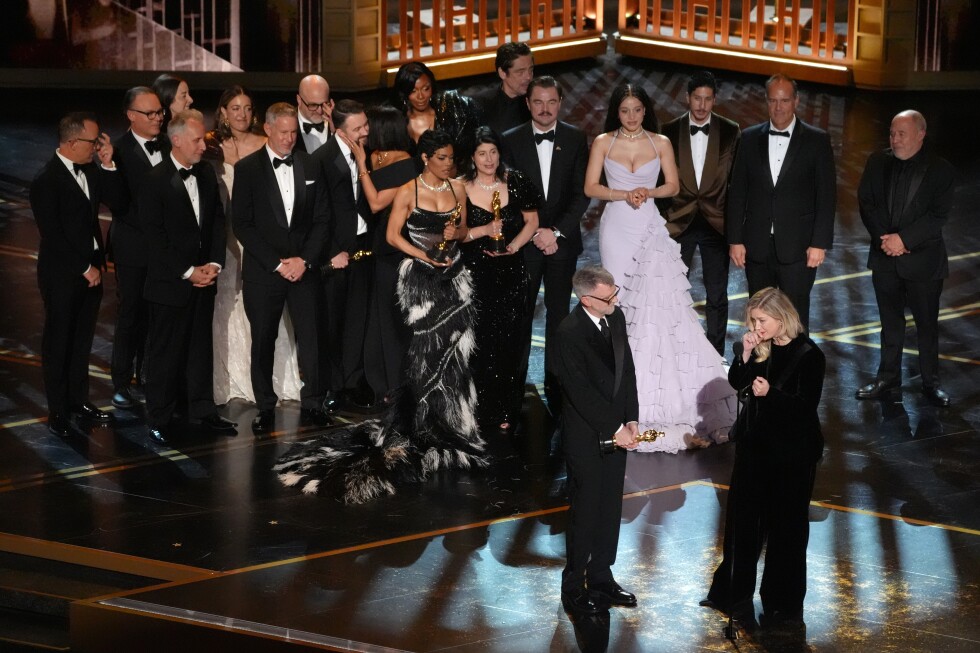
The Academy Awards, Hollywood's most prestigious night, consistently sparks global conversations, not least because of the ultimate question: who won Best Picture? Each year, the winning film becomes a touchstone, a reflection of cinematic excellence, cultural resonance, and the evolving tastes of the Academy. From the quiet introspection of Nomadland to the recent triumph of One Battle After Another, these cinematic milestones offer a fascinating lens through which to view the industry's highest honors.
In this article, we'll journey from the pandemic-era Oscars that celebrated a unique, minimalist masterpiece to the bustling 2026 ceremony, dissecting what makes these Best Picture winners stand out, what they tell us about the zeitgeist, and how they contribute to the ongoing legacy of cinema.
The Latest Triumph: "One Battle After Another" Claims the 2026 Crown
The most recent Academy Awards ceremony, the 98th in 2026, crowned a new champion, adding a compelling chapter to the "who won Best Picture" saga. The top honor went to One Battle After Another, a film that made a significant impact not just with its central victory but also through a suite of other key awards. It was a dominant force on the night, also securing accolades for Best Director and Best Casting, underscoring its overall quality and the strength of its creative vision.
This win was no walk in the park. One Battle After Another emerged victorious from a robust field of contenders, including critically acclaimed films like Bugonia, the much-anticipated Frankenstein, the historical drama Hamnet, and the intense thriller Sinners. The complete list of nominees, showcasing the competitive landscape, also featured F1, Marty Supreme, The Secret Agent, and Sentimental Value. To triumph over such a diverse and strong lineup speaks volumes about One Battle After Another's compelling narrative and execution.
Currently, the film is at the epicenter of discussion, analysis, and lively forum debates among film enthusiasts. Its victory aligns with a noticeable trend at the Academy Awards in recent years: a leaning towards prestige dramas that feature powerful, intricate ensemble casts. These films often delve into complex human experiences, demonstrating impeccable craftsmanship and drawing viewers into rich, character-driven narratives.
The immediate aftermath of its win has naturally led to fervent comparisons with previous Best Picture winners. Will One Battle After Another be etched into history as a timeless classic, or will it be remembered more as the Oscar selection of its specific year? Only time will truly tell, but its immediate impact is undeniable. For those actively searching and asking, "Who Won Best Picture at the 2026 Oscars? Get the Answer is unequivocally One Battle After Another." Its journey to cinematic immortality has just begun, and the conversations around One Battle After Another: 2026 Best Picture Winner's Legacy are only growing louder.
A Poignant Echo: "Nomadland" (2021) and Its Unlikely Journey
Five years prior, at the 93rd Academy Awards in 2021, the answer to who won Best Picture was a stark contrast in scale and tone: Chloé Zhao’s evocative film, Nomadland. This was a win that resonated deeply, particularly given the unprecedented context of a socially distanced Oscar ceremony held during the global pandemic. Nomadland, a wistful and intimate portrait of itinerant lives traversing the open roads of the American West, captured the hearts of critics and the Academy alike.
Zhao's victory was historic on multiple fronts. She became the first woman of color and only the second woman ever (after Kathryn Bigelow for The Hurt Locker) to win Best Director, marking a significant step towards greater diversity and recognition within the industry. What made Nomadland's win even more remarkable was its humble origins. Produced on a budget of less than $5 million and featuring a cast largely populated by non-professional actors, it stood as one of the most modest-sized films to ever claim Hollywood’s highest honor. This demonstrated that profound storytelling and authentic performances could transcend traditional big-budget expectations.
The film's plain-spoken meditation on solitude, grief, and resilience struck a profound chord during a year ravaged by the pandemic. It offered a quiet reflection on human connection and the search for meaning in uncertain times, making an unlikely Oscar champion out of a film about people who gravitate to the margins of society. The star, Frances McDormand, delivered a powerful performance, earning her third Best Actress Oscar, placing her just behind the legendary Katharine Hepburn. McDormand famously implored audiences to experience the film and others "on the largest screen possible," a poignant plea for the communal cinema experience in an era of home viewing.
While Nomadland's victory was widely anticipated, the night delivered a major surprise when the Best Actor award went to Anthony Hopkins for his performance in the dementia drama The Father, instead of the widely expected Chadwick Boseman for his final performance in Ma Rainey's Black Bottom. Hopkins, not in attendance, later delivered a belated tribute to Boseman, acknowledging the immense talent "taken from us far too early." This moment, arriving at the very end of the ceremony, cast a somber, reflective tone over the evening.
From Intimate Stories to Epic Dramas: Evolving Tastes of the Academy
Comparing Nomadland (2021) with One Battle After Another (2026) offers fascinating insights into the dynamic preferences of the Academy. These two films, both Best Picture winners, represent distinct facets of cinematic artistry and storytelling:
- Scale and Scope: Nomadland is a masterclass in minimalism. Its intimate, observational style, with non-professional actors and a semi-documentary feel, emphasizes character and thematic depth over grand spectacle. It’s a film that whispers profound truths. In contrast, One Battle After Another, by virtue of being a "prestige drama" with a "powerful ensemble cast" and securing multiple major awards, suggests a more traditionally epic or sprawling narrative. It implies a film that commands attention through its intricate plot, stellar performances, and polished production values.
- Thematic Resonance: Nomadland tapped into a collective yearning for freedom and resilience during a period of global confinement and uncertainty. Its themes of transience and the search for belonging felt incredibly timely. One Battle After Another's title hints at a narrative of conflict, perseverance, or perhaps societal struggle. Its success might reflect a contemporary appetite for complex narratives that explore the human condition through intense personal or collective challenges.
- Academy's Leanings: The win of Nomadland demonstrated the Academy's willingness to reward independent, artistically bold films that break from conventional Hollywood storytelling, especially when they resonate deeply with the cultural moment. One Battle After Another's triumph, fitting a "discernible trend of prestige dramas," suggests a return or reinforcement of the Academy's appreciation for expertly crafted, character-driven narratives with a strong dramatic core. This could be seen as the pendulum swinging back towards films that showcase masterful ensemble acting and directorial control over complex material.
For aspiring filmmakers and film enthusiasts alike, observing these shifts can offer practical insights. While independent and timely narratives will always find their place, the consistent success of prestige dramas with strong ensemble casts suggests that storytelling excellence, character depth, and high production values remain perennial favorites within the Academy. It's a testament to the fact that while the industry evolves, the power of a well-told story, beautifully acted, remains paramount.
The Enduring Question: What Makes a Best Picture Winner Timeless?
The debate surrounding One Battle After Another – whether it will be remembered as a timeless classic or merely the Oscar selection of its year – is a perennial one for every Best Picture winner. It’s the ultimate test of a film’s legacy. What truly separates a fleeting critical darling from an enduring cinematic masterpiece?
Factors that contribute to a film's lasting impact include:
- Re-watchability: Does the film reveal new layers or offer fresh perspectives upon repeat viewings?
- Cultural Impact: Does it influence future films, spark ongoing discussions, or become ingrained in popular culture?
- Thematic Relevance: Do its central themes continue to resonate with audiences across different generations and societal changes?
- Artistic Innovation: Does it push boundaries in storytelling, cinematography, or performance, leaving a distinct mark on cinematic history?
Nomadland, even just a few years out, is already solidifying its place. Its quiet power, unique narrative, and deep empathy for its subjects ensure its continued relevance. It bravely showcased a segment of society often overlooked, forcing viewers to confront uncomfortable truths with grace and beauty. Its artistic choices, from the blend of professional and non-professional actors to its stunning landscape cinematography, continue to be lauded.
For One Battle After Another, the journey to timelessness has just begun. Its initial critical acclaim and strong showing at the Oscars are excellent starting points. However, the true measure will come years down the line: will its "battles" continue to captivate and provoke thought? Will its ensemble cast be remembered as iconic? We encourage every film enthusiast to not only celebrate the immediate wins but also to revisit past Best Picture winners and new ones as they emerge, forming your own opinions on their lasting power and contribution to cinema.
From the intimate, pandemic-era reflections of Nomadland to the grand, ensemble-driven victory of One Battle After Another, the journey of Best Picture winners is a vibrant tapestry reflecting the diverse narratives and artistic achievements celebrated by the Academy. Each film, in its unique way, answers the question of who won Best Picture for its respective year, but more importantly, each adds a crucial piece to the ever-evolving mosaic of cinematic history. These films invite us not just to watch, but to engage, to discuss, and to appreciate the enduring power of storytelling.